


Eco-Friendly Diving in Maui: How to Protect the Reef While You Explore It
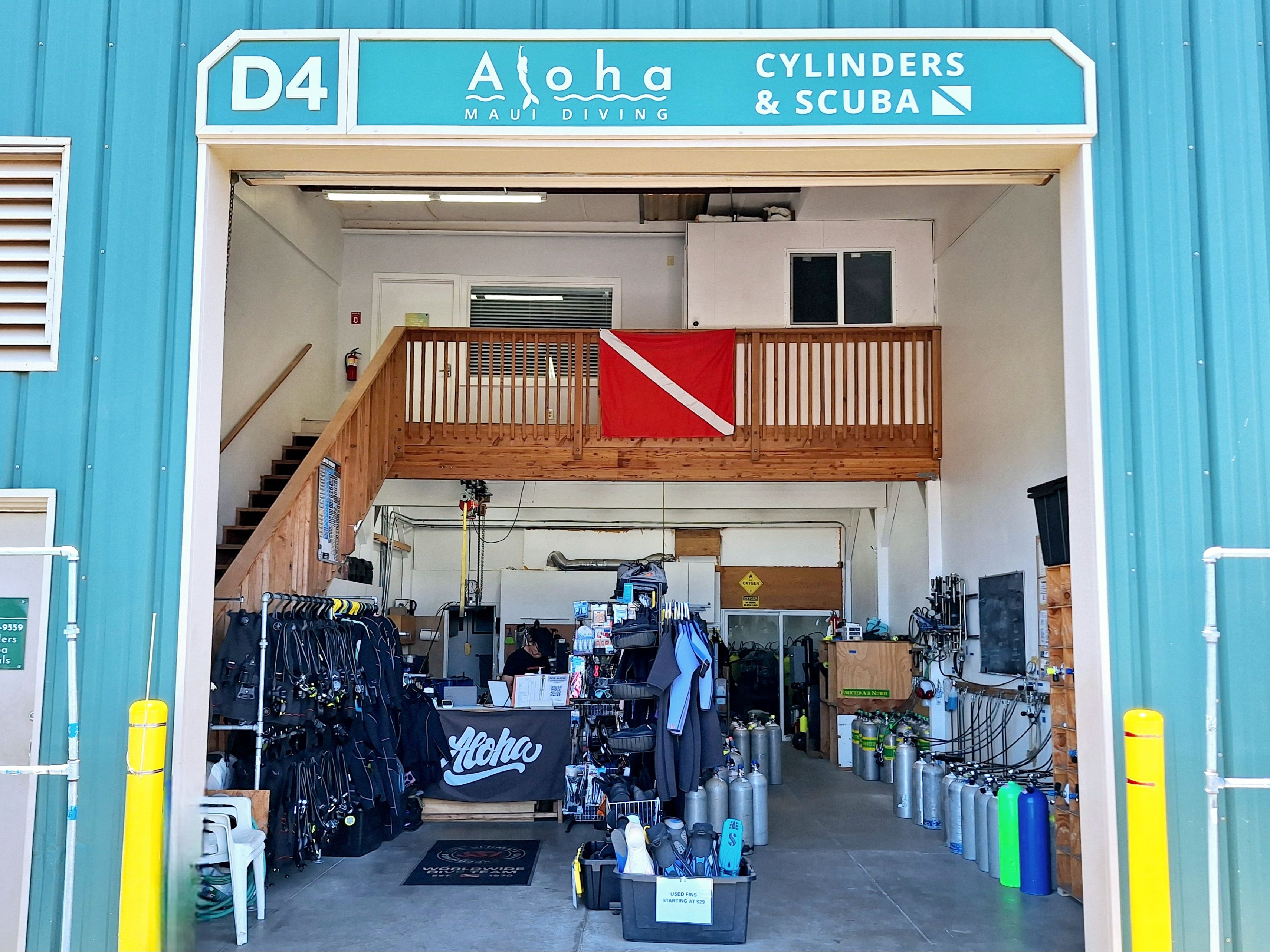
Reef-safe diving starts before you get in the water. If you are planning to scuba dive or snorkel in Maui, here is how to protect the coral reefs you came to see — and how one West Maui dive shop builds conservation into every trip.
Maui's coral reefs face real pressure. Sediment runoff, land-based pollution, unsustainable fishing practices, and rising ocean temperatures all take a toll. The reef you swim over today is not a permanent fixture — it needs active protection to survive for the next generation of divers and snorkelers. The good news is that small choices by every person in the water add up.

What Reef-Safe Diving Looks Like
Eco-friendly diving is not complicated, but it does take intention. These are the practices that matter most on every dive and snorkel in Maui.
Use reef-safe sunscreen. Hawaii law restricts certain sunscreen chemicals — specifically oxybenzone and octinoxate — that damage coral. Check your bottle before your trip. Look for mineral-based sunscreens with zinc oxide or titanium dioxide as the active ingredients. Apply it well before entering the water so it absorbs into your skin rather than washing off onto the reef.
Do not touch marine life. Green sea turtles, moray eels, coral heads, and every other organism on the reef are protected. Touching coral can break structures that took decades to grow. Chasing or grabbing marine life stresses animals and can injure both the animal and you. Keep your hands to yourself, control your buoyancy, and give wildlife space.
Leave nothing behind. No gloves, no trash, no gear parts, no debris. If something falls off your kit during a dive, pick it up. If you see trash on the reef that is not yours, pick that up too. Every piece of plastic or fishing line removed is one less hazard for marine life.
Stay off the bottom. Poor buoyancy control is one of the biggest sources of reef damage from recreational divers. Dragging fins across coral, kneeling on the reef to take a photo, or bumping into formations while adjusting gear — all of it breaks living coral. If your buoyancy needs work, say so. A good instructor or guide will help you dial it in before you are near anything fragile.
Choose eco-friendly products. Beyond sunscreen, consider what else goes into the water with you. Reef-safe defog for your mask, biodegradable shampoo if you rinse at an outdoor shower near the shore, and minimal single-use plastic at the dive site all reduce your footprint.
How Aloha Maui Diving Puts This Into Practice
Aloha Maui Diving in Lahaina operates around a Hawaiian concept called mālama ʻāina — caring for the land and sea. That is not a marketing line. It is built into how the business runs day to day.
Guides use reef-safe sunscreen on every trip and follow a strict no-touch policy with marine life. Waste is disposed of properly, and the shop recycles and upcycles as much as possible, choosing eco-friendly packaging over single-use alternatives. No debris is left in the water — ever.
Every dive booked through the shop helps fund ongoing ocean protection efforts. That funding goes toward local reef conservation, community cleanup dives, and direct sponsorship of two organizations doing hands-on work in Maui's waters.
Conservation Partners Making a Difference
Aloha Maui Diving sponsors two organizations focused on protecting Maui's marine environment.
The Nature Conservancy Maui focuses on reef conservation, research, and restoration. Their team is piloting reef restoration at sites where corals have been lost but the underlying reef structure is still strong enough to support regrowth. Their work addresses the root causes of reef decline — sediment, pollution, and climate stress — through science-based conservation on the island.
Ocean Defenders Alliance Maui, sponsored by the shop since 2023, takes a direct-action approach. ODA documents marine debris, educates the public, and organizes efforts to physically remove man-made debris from the ocean. Fishing line, nets, plastic, and abandoned gear all get pulled out of the water and off the reef through their cleanup operations.
Supporting these organizations means that every dive you book contributes to work that outlasts your vacation.
Giving Back Beyond the Reef
Conservation is part of a bigger picture for Aloha Maui Diving. After the August 2023 Maui wildfires, the shop donated nearly all profits in the first few months to fire survivors. The following year, they created jobs for community members who lost work due to the fires. The shop continues donating scuba experiences to the local community and funding reforestation efforts on the island.
When you book with a business that operates this way, your dive dollars do more than pay for tank fills.
What You Can Do as a Visiting Diver
You do not need to organize a beach cleanup to make a difference. The simplest actions have the most impact when thousands of visitors do them consistently:
Pack reef-safe sunscreen before you fly. Do not wait to buy it on the island — bring it so there is no excuse to skip it.
Ask your dive operator about their reef practices. If they cannot answer, that tells you something. A shop that takes conservation seriously will have specific practices, not vague promises.
Skip the souvenir coral. Buying coral products, shells, and marine artifacts creates demand that puts more pressure on reefs worldwide.
Talk about what you saw. Share your underwater photos, tell people about the reef, and explain why it matters. Awareness from firsthand experience is more convincing than any campaign.
Join a cleanup dive if the timing works. Aloha Maui Diving organizes local cleanup dives — check their social media or website for upcoming events.
How to Book an Eco-Friendly Dive in Maui
Aloha Maui Diving is based in Lahaina on Maui's west side. Whether you are booking an introductory dive, a guided shore dive, or a certification course, every trip follows the same reef-safe practices.
Phone/Text: (808) 495-9559
Email: alohamauidiving@gmail.com
Online: Book your dive
Mālama ʻāina is not just a phrase on a website. It is how the reef stays here for the next person who wants to see it.
Frequently Asked Questions
What does reef-safe sunscreen mean?
Reef-safe sunscreen does not contain oxybenzone or octinoxate, two chemicals that damage coral. Look for mineral-based formulas with zinc oxide or titanium dioxide as the active ingredients. Hawaii law restricts the sale of sunscreens containing these harmful chemicals.
How does Aloha Maui Diving protect the reef?
The shop uses reef-safe products on every trip, follows a no-touch policy with marine life, leaves no debris in the water, recycles and upcycles materials, and sponsors The Nature Conservancy Maui and Ocean Defenders Alliance Maui. Every dive booked helps fund ongoing ocean protection.
Can I join a reef cleanup dive in Maui?
Yes. Aloha Maui Diving organizes local cleanup dives. Check their social media pages or website for upcoming events and how to sign up.
What is mālama ʻāina?
Mālama ʻāina is a Hawaiian concept meaning to care for the land and sea. Aloha Maui Diving uses it as the guiding principle behind their business practices, from reef-safe products to community giving.
Is coral in Maui protected by law?
Yes. Hawaii state law protects coral reefs. Touching, standing on, or breaking coral is illegal and can result in fines. Beyond the law, coral structures take decades to grow, so even minor damage has long-term effects on the reef ecosystem.


Comments